What Google AI Optimization Is Not
- Not `llms.txt` as a Google ranking requirement.
- Not chunking pages only for Google AI Overviews.
- Not rewriting content only for bots.
- Not creating fake mentions, fake reviews, or unsupported citations.
Lemon SEO improves AI visibility across ChatGPT, Claude, Perplexity, Gemini, Copilot, Google AI Overviews, and other answer engines through GEO, AEO, entity optimization, source corroboration, structured content, and citation monitoring.
AI Search work connects the brand entity, supporting sources, answer-ready pages, schema, and monitoring so answer engines can retrieve accurate information with more confidence.

AI Search Optimization is the work of making a brand easier for answer engines to understand, verify, and cite. GEO and AEO do not replace SEO. They extend it. If your site, entity profile, content, schema, and external mentions are unclear, AI systems have less confidence when answering buyer questions.
Our AI visibility work combines prompt research, citation baselines, entity cleanup, answer-ready content, schema, FAQ improvements, external source mapping, and monthly monitoring.
The goal is not to manipulate AI answers. It is to make accurate, source-supported information about your company easier to retrieve.
GEO and AEO are practical extensions of SEO: make useful facts easier to crawl, understand, verify, and cite. Here are the main surfaces we review.
We check how your brand appears in recommendation, comparison, and buying-advice prompts, then improve the source signals that make accurate citations more likely.
We audit citation sources, competitor mentions, answer positioning, and source quality so Perplexity can verify the facts you want associated with your brand.
We review query triggers, cited sources, on-page answer structure, and overlap with classic search results to improve AI Overview readiness.
| Platform | Visibility focus | Typical checks |
|---|---|---|
| ChatGPT | Brand/entity mentions, source-supported recommendations, answer consistency. | Prompt set, competitor comparison, citation/source review. |
| Claude | Entity clarity, explanatory content, evidence and provenance signals. | Prompt set, source map, factual consistency review. |
| Perplexity | Citation visibility and source inclusion for commercial and educational prompts. | Cited page audit, source quality, competitor citations. |
| Gemini | Google ecosystem signals, entity understanding, and helpful source coverage. | Entity audit, schema review, content coverage gaps. |
| Google AI Overviews | Eligibility for cited answers and overlap with organic search signals. | SERP checks, structured content review, source corroboration. |
| Copilot | Bing-indexed source coverage and entity consistency. | Bing visibility, source mentions, answer sampling. |
Different systems use different retrieval and ranking methods, but clear facts, credible sources, useful page structure, and consistent external corroboration make answers easier to verify.
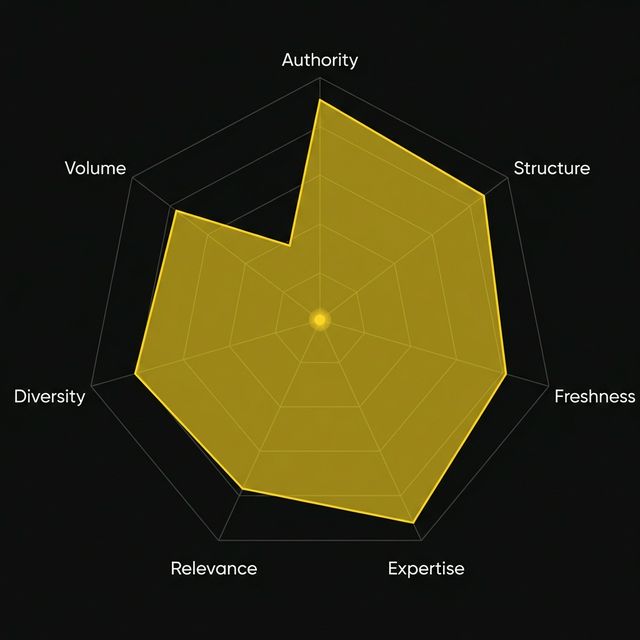
LLMs prioritize information from authoritative, well-known sources. This means Wikipedia presence, citations on industry publications, mentions in educational resources, and links from .org, .edu, and trusted media domains. We build these authority signals systematically.
AI models extract information more reliably from well-structured content: clear factual statements, comprehensive FAQ sections, proper schema markup, and entity-rich descriptions. We restructure your content to be "LLM-readable" without sacrificing human readability.
LLMs are trained on recent data. Brands that consistently publish fresh, factual, and well-cited content are more likely to be included in training sets and retrieved during inference. We create a content cadence that keeps your brand in the AI's "memory."
When multiple independent sources confirm the same fact about your brand, LLMs are more likely to cite it confidently. We orchestrate mentions across review sites, industry directories, press releases, and niche publications — building a web of corroborating signals.
AI Search work supports normal SEO: crawlable pages, clear entity facts, useful content, schema where appropriate, and source corroboration. No ranking hacks or bot-only rewrites.
Only verified AI Search evidence should be attached here before publication.
Add approved citation baselines, answer-engine screenshots, query sets, source maps, or client-approved quotes only after verification.
No — GEO complements SEO, not replaces it. Traditional SEO remains critical for driving organic search traffic. GEO adds a new dimension: visibility in AI-generated answers. The best strategy combines both. In fact, many GEO optimizations (structured data, authority signals, quality content) directly benefit your traditional SEO as well.
We use custom monitoring tools that systematically query ChatGPT, Claude, and Perplexity APIs with your target keywords, then analyze responses for brand mentions, citation links, and sentiment. We track: citation rate (% of queries where your brand is mentioned), citation position (first vs. last mention), accuracy of the AI's claims about you, and competitive share of voice.
Initial improvements in Perplexity citations can appear within 4-8 weeks (since it searches the live web). Google AI Overviews respond to content changes within 2-4 weeks. ChatGPT and Claude take longer because they rely on training data — typically 3-6 months to see significant changes, though new retrieval-augmented features are shortening this cycle.
It depends on your audience. For B2B and professional services, Perplexity and ChatGPT are the most impactful (knowledge workers use them daily). For consumer products, Google AI Overviews are crucial since they appear directly in Google search. For tech and developer audiences, Claude is increasingly important. We analyze where your target audience actually searches and prioritize accordingly.
GEO retainers start from €2,500/month, which includes monitoring, content optimization, authority building, and monthly reporting. A one-time GEO audit starts from €1,500. We also offer combined SEO + GEO packages that provide better value since many optimizations overlap. Contact us for a custom proposal based on your industry and competitive landscape.
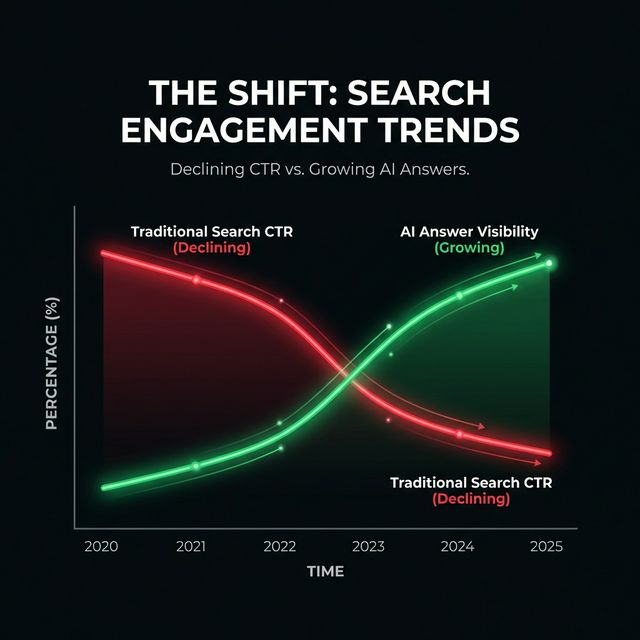
AI search is growing exponentially. Start optimizing now before your competitors do.
Get GEO Audit